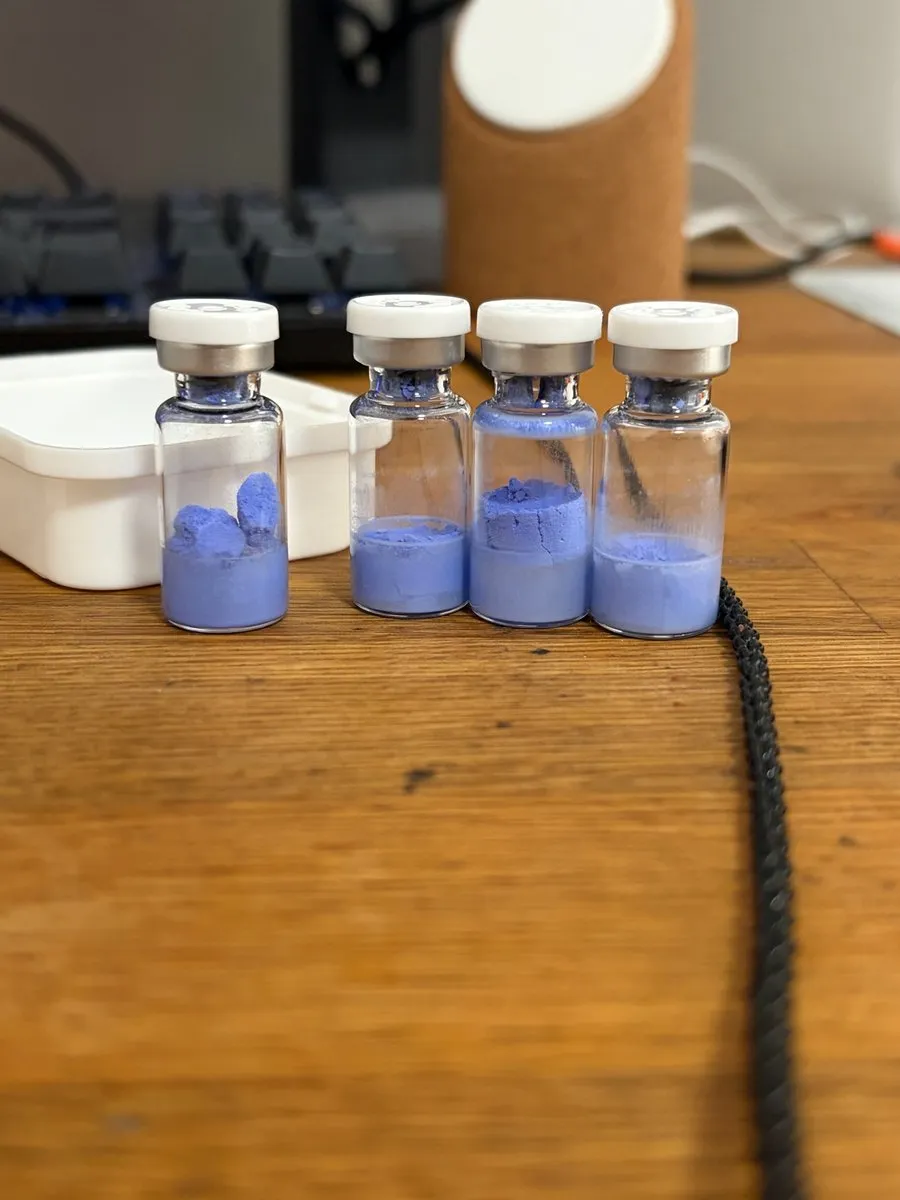
Good catch, and the short answer upfront: the eye is fooling you here more than you'd think.
With freeze-drying, the solution gets filled first and then the water is removed. How big and "fluffy" the cake looks afterwards depends heavily on the fill volume, the excipients and the drying cycle – not just on the amount of compound. So a voluminous cake can contain the same amount as a small, compact one. Conversely, a small cake doesn't automatically mean there's less in there.
What counts is the declared amount per vial and what an independent lab test says, not how the fill looks. It also doesn't change anything for reconstitution: always reconstitute with the same amount of water per vial according to the label and don't "even it out" by eye.
One thing I would still pay attention to: if vials from the same batch look extremely different – so not just slightly different puffiness, but for example almost empty vs. full, or cracks in the cake, a loose stopper or traces of moisture – that points more to fluctuating process control. I wouldn't just use a vial like that, I'd sort it out and, if in doubt, have it tested independently.
As a rule of thumb: looks are a hint, not a measurement. If you're unsure, don't rely on the fill appearance, rely on lab data and clean, cool storage.